




 NEW
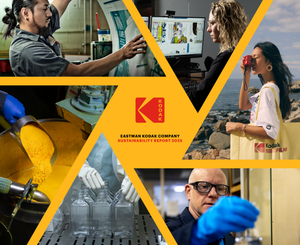
NEW【ESG】イーストマン・コダック、「2025年サステナビリティレポート」発行
イーストマン・コダック社は、環境・社会・ガバナンスの各優先課題における継続的な進展をまとめた「2025年サステナビリティレポ
 NEW
NEW NEW
NEW NEW
NEW NEW
NEW📚2026年10月14日
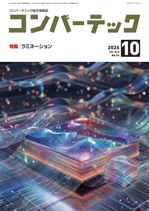
月刊「コンバーテック」2026年10月号発刊
デジタル版はこちら
2026年8月27日
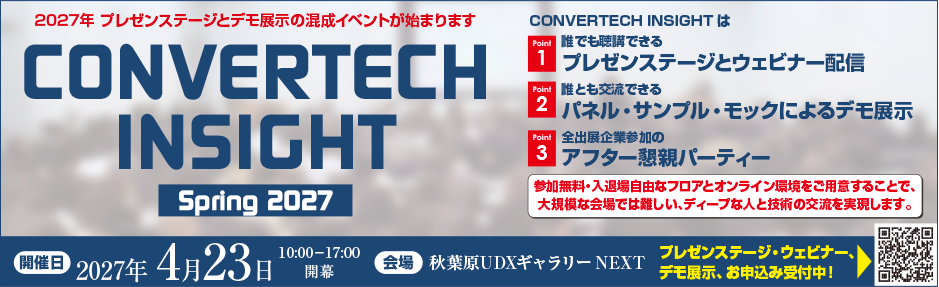
プレゼンステージとデモ展示の混成イベント「CONVERTECH INSIGHT Spring 2027」出展申込開始!
2026年7月31日
📗英字誌『Convertech International』3Q 2026 発刊

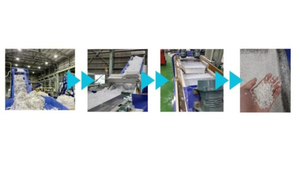
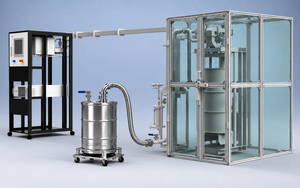
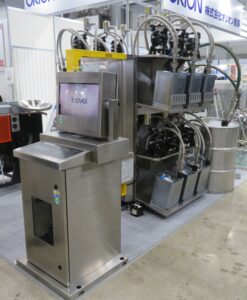
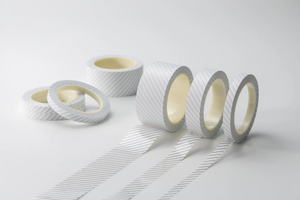
| 編集部取材記事 ★ONO coating社長、ONO plus会長 村上研介氏:MONAコーポレーションのフィルムコーティング事業を承継。コンバーティング業界再編の可能性 ★新タック化成:光学フィルム製造、自社製品や受託加工を自在に。無溶剤UVコーターが引き合い増 ★日本シーム:粉砕から脱墨、脱水回収までのトータルフィルムリサイクルラインを提案 ★大阪公立大学:色付きプラの「ダウンサイクル」に解決策。高密度シリカ粉末を使った着色システム ★デクセリアルズ:自動化技術との融合で生産性約2倍・生産能力約1.5倍を実現するACF新工場竣工 ★タイガー魔法瓶:ガスバリア性など機能を付与した樹脂で実現、透明なアルゴン断熱ボトル ★プチプチ 安永圭佑社長:「プチプチ」が企業ブランドに。社会価値への拡大でプラ資源循環の社会実装を目指す ★ハイデルベルグ・ジャパン デジタルデイ2026:印刷と後加工のデジタル融合が何をもたらすか。シュミット・フェール社のビジネスに学ぶ ★日本印刷産業連合会「2026年9月印刷の月」講演会・記念式典・懇親会:印刷産業は社会を支えるインフラ、取引適正化のさらなる推進も ★Futamura UK/Bio4life:家庭でコンポスト化可能な果物用ラベルでブレークスルー、EUのPPWR要件満たす ★アトム:国産ヒューマノイドAIロボ、NSKとアクチュエーターの検証を開始、フィジカルAIデータの収集拠点もオープン ★CONVERTING FESTA Vol.4:「人と技術をつなぐ」コンバーティングフェスタ。OPV、半導体材料など話題の講演実施、懇親深まる ★Hitachi Social Innovation Forum 2026 JAPAN:高機能材料の研究開発から量産までを効率化。日立ハイテクの「PROACCELA」 ★シュナイダーエレクトリック:1MW級のAIデータセンター見据え、電力・冷却と支援体制を強化 ★非木材グリーン協会・第34回非木材セミナー:環境表示は分かりやすく具体的に。OPTを木質系高層建築の構造材へ ★日本HP:クラウド×大判複合機で建築・建設業界の図面業務を効率化、QRコードやAIも活用 特集:ラミネーション ラミネート接着剤、「貼る」と「剥がす」の新たな進化 ロックペイント 沼田 睦章、江田 靖 押出ラミネーションで広がるイージーピール樹脂-食品包装で培った剥離制御技術と半導体キャリアテープへの展開- 三菱ケミカル 稲垣 舞、石井 香菜子 「ユメリット」の開発動向-さらなる高機能化に向けて- 宇部丸善ポリエチレン 安光 雅彦 接着前処理に利用できる大気圧プラズマユニット「Tough Plasma」 FUJI 柳原 一輝 高周波ウェルダーの歴史と動向 山本ビニター 山本 泰司、田川 達也 パルスヒートによる樹脂と金属の異種材直接接合技術 日本アビオニクス 安藤 元彦 連載 コンバーティング放浪記 第43回 スケールアップ論 Roll To Roll研究会 浜本 伸夫 コンバーティングとシートフォーミング XXVII.設計技術各論(3)成形品設計 シートフォーミング テクノロジー 伊神 秀生 スピンオフ シートフォーミング エピソード26 印鑑 シートフォーミング テクノロジー 伊神 秀生 加飾技術を取り巻く環境と動向 第10回 表面デザインにおけるカラー・マテリアル・フィニッシュ FEEL GOOD CREATION 玉井 美由紀 スズキの視点~ニュースから読み解くバッテリーの今~ 第14回 「全固体電池は本当にゲームチェンジャーか?」 スズキ・マテリアル・テクノロジー・アンド・コンサルティング 鈴木 孝典 フィルちゃんによる やさしく学ぶコンバーティング 第3回:コーティング編1…ロールコーティング 小川 正太郎 接着・粘着よもやま話 第3回 接着剤、粘着剤の選定 ベータテック 三久保 聡 粘着と剥離 余聞(31) 「食卓の粘着と剥離(21)大豆から産み出される離型性と粘着性」 <味噌の粘着性><海外で伸びている味噌需要> <ヨセミテ国立公園の黄葉> 柴野 富四 NEW印刷WOW! 第16回 五感を刺激する香りの印刷 DI Palette 東京本部 世界のプラスチック材料メーカー:その事業展開と環境政策 第9回 マツダ包装技術W&R/東洋紡パッケージング・プラン・サービス 松田 修成 寄稿 フッ素ガス表面処理によるゴムの機能化-潤滑性向上、粘着・固着防止- 高松帝酸 橋谷 矩史 先端半導体パッケージ材料は「実使用状態」でどう評価するか-塗工・乾燥・Bステージ化から熱・Warpageまでをつなぐ- 松尾産業 西岡 恒雄 表面張力モニタリングにも最適な超小型最大泡圧方式表面張力計 Surfgauge INSTRUMENTS(表面測器製作所) 小坂 耕平、植村 夕夏祐一 |
▶11月号は11月10日発刊予定です。